The Hidden Links Between Slot Algorithms and Lottery-Style Promotions in Regulated European Betting Markets
Rosa Carter · Aug 24, 2026
The Hidden Links Between Slot Algorithms and Lottery-Style Promotions in Regulated European Betting Markets
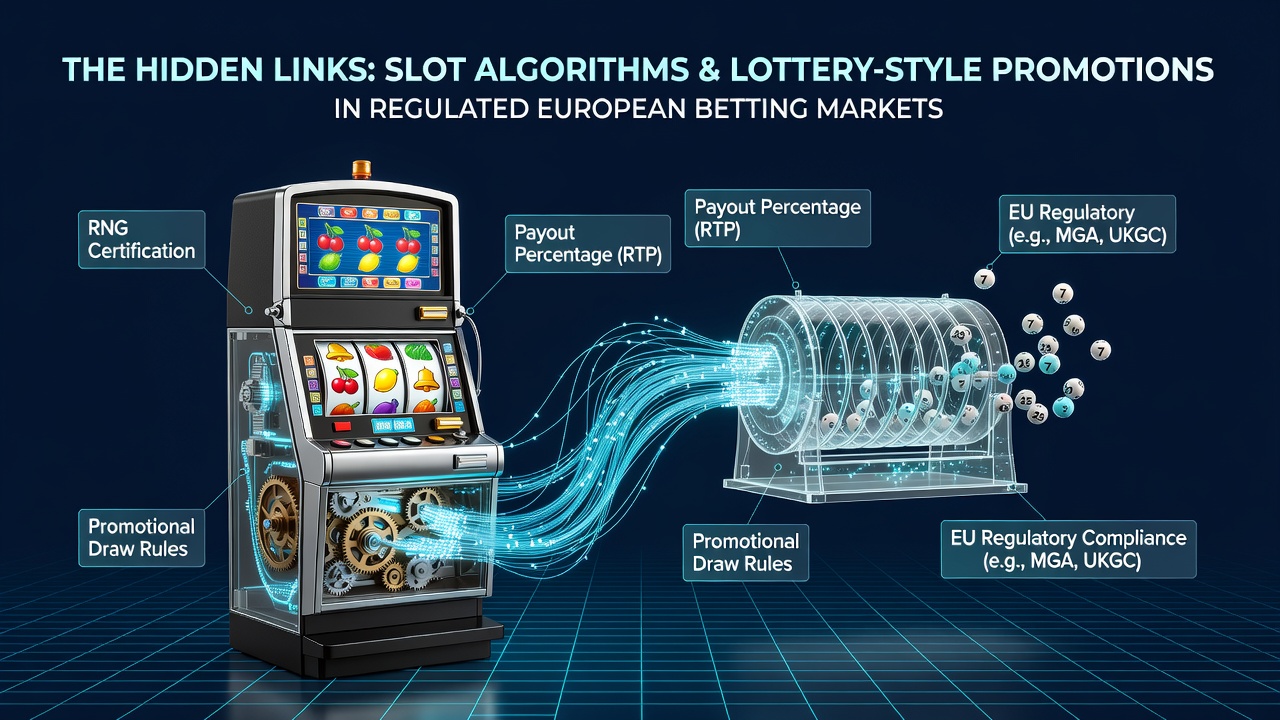
Slot algorithms in regulated European markets operate through certified random number generators that produce outcomes at high speed, and these systems share structural similarities with lottery mechanisms because both depend on independent probability calculations that determine prize distribution across large player pools. Regulators across the continent require operators to maintain transparent audit trails for these algorithms, which ensures that promotional features built into slots align with lottery-style rules on fairness and payout reporting.
Core Mechanics of Slot Algorithms in Regulated Settings
European gaming authorities mandate that slot software undergo testing by independent laboratories before deployment, and this process verifies that each reel spin or bonus trigger follows predefined probability tables rather than deterministic patterns. Data from the Autorité Nationale des Jeux shows that French-licensed platforms submitted over 4,200 algorithm updates for review in the twelve months leading to August 2026, with many updates introducing progressive jackpot pools that accumulate contributions from multiple games. These pools function much like lottery rollovers because they grow until a qualifying combination appears, at which point the accumulated amount resets or carries forward according to operator rules.
Operators integrate lottery-style promotions by linking slot progressives to secondary draw events, and players earn entries through continued play rather than separate ticket purchases. This approach keeps the activity within the scope of existing slot licenses while delivering the anticipation typically associated with periodic lottery events. Technical specifications require that the underlying RNG continues to govern every individual outcome even when promotional overlays add extra prize layers.
Lottery-Style Promotions and Their Integration Patterns
Promotions such as daily jackpot races or community bonus draws appear frequently on regulated European platforms, and these features draw from the same RNG seed used for standard reel results. Observers note that the promotional layer often calculates a separate probability table that triggers only after a base game condition is met, which maintains compliance with rules separating gambling products by category. In several jurisdictions the addition of these layers requires fresh certification, and authorities track whether the combined return-to-player percentage remains within approved limits.
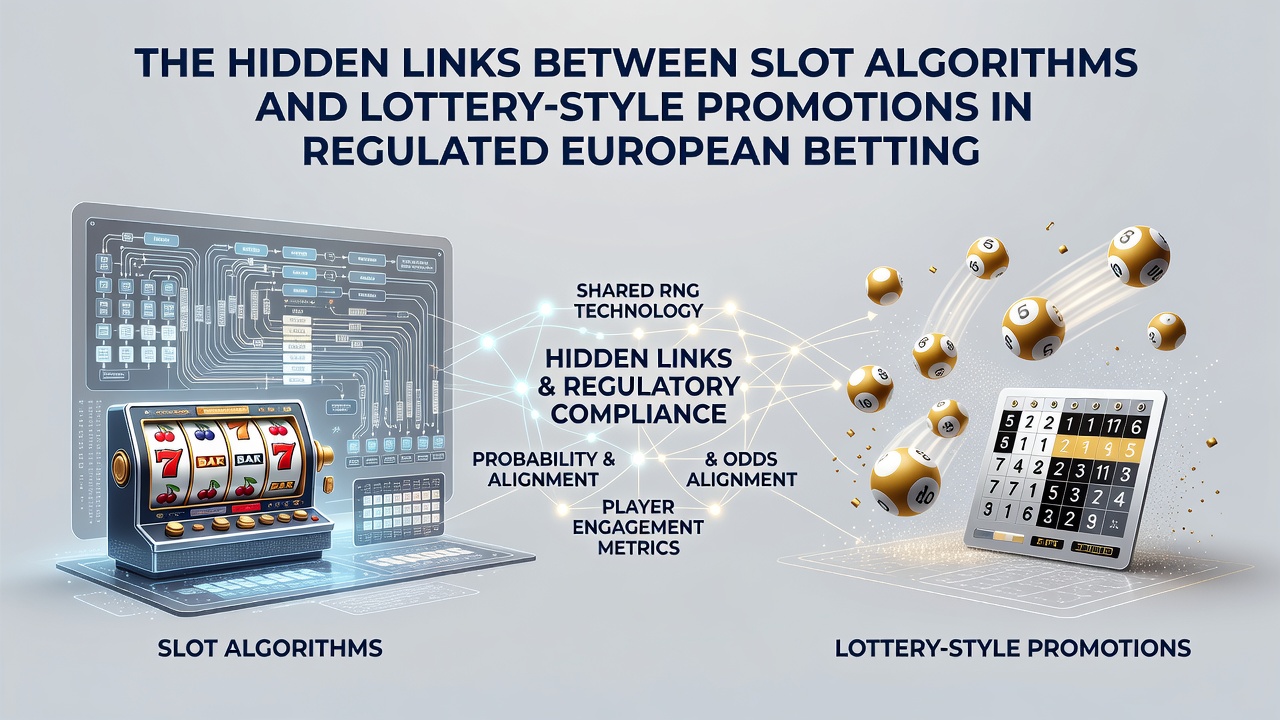
Cross-border operators sometimes synchronize jackpot pools across different national licenses, and this synchronization relies on centralized servers that log every contribution in real time. Figures released by the Kansspelautoriteit in the Netherlands indicate that synchronized pools accounted for 18 percent of total progressive payouts recorded during the first half of 2026. The mechanism allows a single large prize to be available to players in multiple markets while each local regulator retains oversight of its own participant base and tax reporting.
Regulatory Oversight Across European Jurisdictions
National frameworks differ in how they classify promotional features, yet most require that any element resembling a lottery draw receives explicit approval before launch. German authorities, for instance, examine whether promotional entries derive solely from slot play or whether external purchase options exist, and this distinction determines which licensing category applies. Belgian and Spanish regulators apply similar scrutiny, focusing on whether the promotional RNG operates independently from the core game engine.
Industry reports compiled by the European Gaming and Betting Association highlight that algorithm audits now routinely include stress testing of promotional triggers under high-volume scenarios. These tests simulate thousands of concurrent sessions to confirm that prize distribution remains statistically consistent with published probabilities. The data collected during such audits feeds into annual compliance reports submitted to each licensing body.
Technical Parallels and Compliance Challenges
Both slot algorithms and lottery systems rely on cryptographic hashing to ensure outcome integrity, and this shared foundation allows operators to apply similar security protocols across product types. When a promotional feature activates a secondary draw, the system records a timestamped hash that auditors can later verify against the certified RNG sequence. Any discrepancy triggers an automatic review process that can suspend the affected promotion until resolution.
Market participants have observed that the increasing use of shared jackpot networks creates new data aggregation requirements, and regulators respond by demanding granular reporting on contribution sources and winner locations. This reporting helps prevent the concentration of large prizes within narrow geographic segments, which could otherwise raise concerns about market manipulation.
Conclusion
The connections between slot algorithms and lottery-style promotions rest on shared reliance on certified randomness, transparent prize pooling, and continuous regulatory monitoring. As European markets continue to refine their frameworks through 2026 and beyond, operators maintain detailed logs that demonstrate compliance while delivering the scaled prize structures players encounter across both product categories.